


Konark Sun Temple stands as a structured expression of design, astronomy, and craftsmanship. Visitors often approach it as a monument, but the site demands closer reading. This Konark Sun Temple — complete visitor guide focuses on clear, usable information so you can understand the layout, symbolism, and practical aspects before you arrive.
Architectural Layout and Symbolism
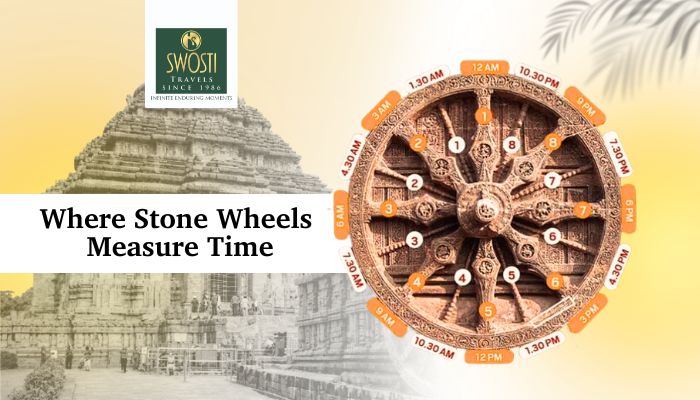
The temple is shaped like Surya’s chariot, but that only clicks when you stand close and start noticing how the elements sit together. The wheels are the first thing that catch your eye. The massive stone wheels stand out first, each nearly three meters across. Their carved spokes are not just decorative, they track time through shifting shadows as sunlight moves.
Behind this scale sits years of patient work. Around 1,200 artisans spent 12 years building the temple under the guidance of Bishu Maharana, The main architect. You can almost sense that rhythm in the carvings. Nothing feels rushed. Every surface holds intent, as if each artisan left a small, deliberate mark behind.
Built in the Kalinga style using khondalite stone 24 wheels. 7 pulling horses, the structure changes character through the day. Morning light sharpens details with first ray of sun falls at the main entrance, while afternoon shadows deepen every carving. It’s World’s Unesco Site & called as Black Pagoda.
The panels move between royal scenes, daily life, animals, and musicians, all placed together without hierarchy. Repeated motifs of fertility and continuity appear throughout.
Start with the wheels, then move to the base panels and platform edges to fully grasp the detailing.Rabindra Nath Tagore said-”here the language of stone surpasses the language of man”
Entry Management and Visitor Flow
The Archaeological Survey of India maintains the site. Entry remains straightforward, but planning your timing improves the experience.
- Open from 6:00 AM to 8:00 PM
- Entry fee: ₹40 for Indian visitors
- Entry fee: ₹600 for foreign visitors
Movement Inside the Complex
Visitors enter through a designated gate and move toward the main structure. The site does not follow a strict directional path, but you should maintain a circular movement to avoid crowd clusters.
This guide suggests starting from the left side of the structure and moving clockwise. This direction aligns better with light conditions during the morning.
Best Time to Visit and Seasonal Conditions
Weather affects how long you can comfortably explore the site. The stone holds and reflects heat, which becomes noticeable during the day.
October to February offers the most balanced conditions, with moderate temperatures and clear visibility. Early mornings suit close observation, while late afternoons work well for photography.
Avoid April to June if possible, as heat levels rise and shade remains limited.
For smoother planning, Swosti India offers Odisha tour packages that align travel, stay, and site visits efficiently.
Interpreting Key Sections of the Temple
You will gain more value from the visit if you identify and observe specific sections.
The Wheels:- Each wheel has eight major and eight minor spokes. Their carvings reflect divisions of time, which you can notice through shifting shadows across the surface.
The Natya Mandap:- This dance hall stands before the main structure. Carvings show dancers in clear postures and musicians with instruments, pointing to the role of performance in temple rituals.
Base Panels:- The lower sections carry continuous narrative carvings. You’ll see animals, royal life, hunting scenes, and everyday moments. View them at eye level to follow the sequence better.
Practical Tips for Visitors
Preparation shapes how well you experience the site.
Wear comfortable shoes since the stone surface can be uneven. Carry water, especially in warmer months, and avoid heavy bags as you’ll keep moving.
Consider a licensed guide for clearer context. Choose someone who explains selectively instead of overwhelming you.
Keep distance from restricted areas, as parts of the structure are under conservation.
Try to avoid peak midday hours for a more comfortable visit.
Photography and Observation Conditions
Lighting shapes how you see the carvings. Early morning gives softer shadows and clearer surface details. Late afternoon adds contrast, which works well for photographs.
Skip flash, especially up close. Natural light shows textures better and helps preserve the stone.
Stand slightly at an angle instead of facing panels head-on. This brings out depth and makes the carvings easier to read.
Cultural Context and Events
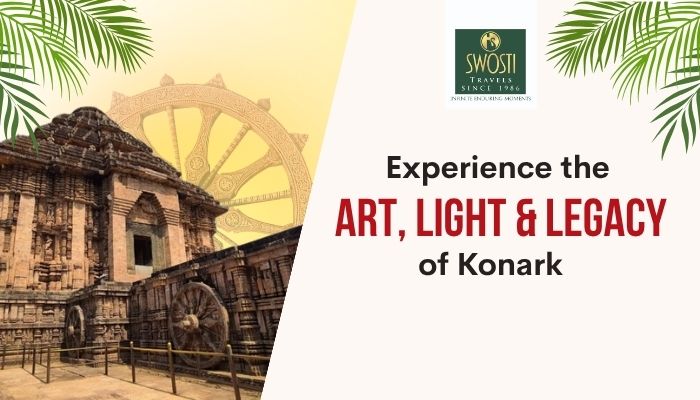
The site continues to hold cultural relevance. The Konark Dance Festival usually held in December 1st to 05th, presents classical dance forms against the temple backdrop. This event connects the architectural space with its historical association with performance & light & sound show every evening.
Visitors during this period should plan accommodation in advance due to increased demand.
Cultural Context and Events
The site continues to hold cultural relevance. The Konark Dance Festival usually held in December 1st to 05th, presents classical dance forms against the temple backdrop. This event connects the architectural space with its historical association with performance & light & sound show every evening.
Visitors during this period should plan accommodation in advance due to increased demand.
Final Note on Visiting Approach
Approach the site with attention to detail. Focus on specific sections instead of attempting to cover everything at once. Allow time for observation. Maintain awareness of light, movement, and space.
The temple does not require interpretation through external narratives. Its structure, carvings, and layout provide direct information when you engage with them carefully.
FAQs — Konark Sun Temple
Konark Sun Temple opens daily from 6:00 AM to 8:00 PM.
The entry fee is ₹40 for Indian visitors and ₹600 for foreign nationals.
You won’t need to pay extra for carrying a phone or camera. Try to enter early in the day. The site stays less crowded, and the carvings are easier to observe in softer light.
Konark Sun Temple is about 65 km from Bhubaneswar. The drive usually takes around 1.5 to 2 hours, depending on traffic and stops.
Konark Sun Temple is known for its chariot-shaped design dedicated to the Sun God.
The temple stands out for its massive stone wheels, detailed carvings, and the way it represents time through architecture. The structure also holds historical value for its depiction of life, culture, and craftsmanship from the 13th century.
- Contact Details
- https://www.swostiindia.com/
- tours.int@swosti.com
- +91 9338091727, +919937015933



Recent Comments